Managing a modern commercial property is no longer just about collecting rent and ensuring the lights stay on. Today, it requires orchestrating a complex ecosystem of specialized vendors, navigating strict regulatory environments, and constantly finding ways to protect and enhance asset value. For commercial real estate professionals, the day-to-day reality involves shifting rapidly from high-level financial forecasting to granular operational problem-solving.
The primary challenge lies in the sheer variety of expertise required to keep a property functional, safe, and attractive. A single facility might require heavy structural concrete repairs in the morning, intricate environmental systems maintenance in the afternoon, and complex legal consultations by the end of the day. For property managers, attempting to handle these diverse needs without a trusted, vetted network of third-party professionals is a recipe for operational failure and rapid tenant turnover.
Building a robust, diverse network of reliable business-to-business partners is the ultimate competitive advantage in the modern real estate market. When you treat service providers as strategic partners rather than transactional, one-off line items, you build an operational fortress around your portfolio. This comprehensive guide explores the essential service sectors that keep commercial real estate functioning at peak performance, offering actionable strategies to help you optimize your vendor relationships and elevate your management standards.
1. Prioritizing Structural Integrity and Curb Appeal
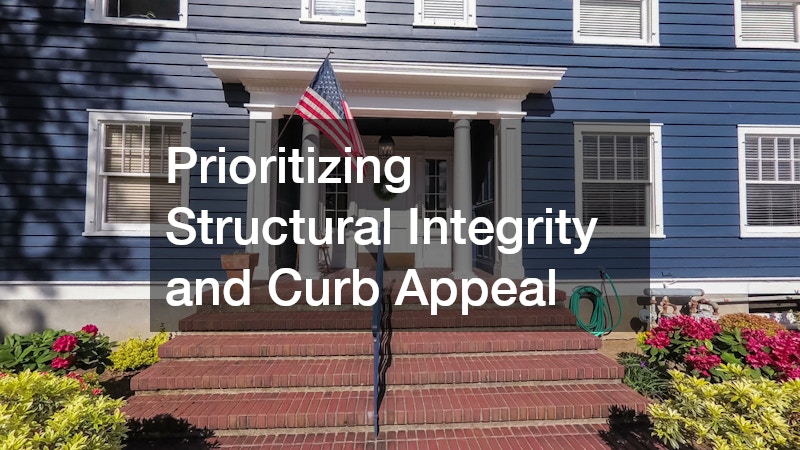
The exterior of a commercial building is the very first thing clients, tenants, and visitors see. It establishes the initial impression of your brand and directly influences the perceived value of the real estate. Beyond pure aesthetics, the structural elements of a property’s exterior must be maintained with zero tolerance for neglect. Cracks, uneven walkways, and deteriorating facades are not just eyesores; they are massive liability risks that can result in expensive slip-and-fall lawsuits or catastrophic structural failures.
Proactive maintenance of high-traffic exterior surfaces is the foundation of effective facility oversight. Property managers should establish a rigorous, seasonal inspection schedule to identify minor structural issues before they escalate into budget-busting emergencies. This includes checking foundations, retaining walls, parking structures, and pedestrian walkways for signs of shifting, water damage, or environmental wear.
When addressing these critical structural needs, partnering with a reliable concrete business ensures that your walkways, parking garages, and foundational elements remain structurally sound, visually clean, and fully compliant with local building codes. Furthermore, to elevate the visual appeal of a property without overextending your capital expenditure budget, sourcing materials from a specialized manufactured stone business allows you to add high-end, modern architectural accents to entryways and exterior facades, giving the property a premium look that attracts tier-one tenants.
2. Optimizing Low-Maintenance Grounds and High-Standard Amenities
Modern commercial real estate trends place a heavy emphasis on outdoor amenity spaces. Tenants increasingly look for properties that offer functional outdoor break areas, rooftop terraces, and green spaces where employees can gather. However, traditional landscaping can be an incredibly expensive and resource-intensive endeavor, requiring constant watering, mowing, fertilizing, and seasonal replanting.
To balance tenant demands for green spaces with the operational necessity of cost reduction, forward-thinking managers are turning to modern material alternatives. By incorporating low-maintenance landscaping features, properties can drastically reduce their monthly utility bills and eliminate the constant disruptions caused by noisy landscaping crews.
Upgrading high-use communal areas with the help of an experienced astroturf flooring business offers an ideal, zero-water landscaping solution that stays perfectly green and functional all year round, regardless of weather conditions. These premium, ultra-durable surfaces are particularly valuable when overseeing specialized residential or healthcare assets, such as a modern assisted living business, where resident safety, accessible outdoor walkways, and pristine, mud-free recreational spaces are paramount for daily operations and family peace of mind.
3. Safeguarding Indoor Environmental Quality and Waste Management
While exterior curb appeal draws people in, the invisible systems inside a building dictate whether they stay. Indoor environmental quality has become a top priority for commercial tenants, directly impacting employee health, productivity, and overall satisfaction. Property managers must look beyond surface cleanliness and focus heavily on the deep, subterranean, and internal systems that keep a building healthy and sanitary.
HVAC systems are the lungs of any commercial facility. Without regular, deep maintenance, these systems become breeding grounds for dust, mold, and airborne pollutants, which rapidly degrade indoor air quality and strain mechanical efficiency. Similarly, waste management and utility infrastructure must be monitored closely to prevent disruptive, unhygienic failures that can force a building closure.
Regularly contracting a professional air duct cleaning business keeps your indoor air pure, removes accumulated allergens, and ensures your HVAC systems operate at peak energy efficiency, saving thousands in utility costs. Concurrently, for commercial properties that operate on independent or specialized waste systems, scheduling routine maintenance with trusted cesspool pumping businesses is absolutely critical to avoid catastrophic sewage backups, foul odors, and severe environmental compliance fines.
4. Streamlining Onboarding and Offboarding for Seamless Turnover

Tenant turnover is an inevitable part of commercial real estate management, but it does not have to be a source of financial drain. The period between when one tenant vacates a space and a new one moves in represents a critical window where vacancy days must be minimized to protect cash flow. Achieving a fast, efficient turnaround requires highly coordinated logistics and precise vendor scheduling.
Standardizing the move-in and move-out process is essential for protecting the physical asset. Large corporate moves involve heavy equipment, bulky office furniture, and high foot traffic, all of which can easily damage walls, door frames, flooring, and elevator interiors if not managed carefully. Property managers must establish strict guidelines for moving days, including dedicated hours and mandatory protective padding for common areas.
Coordinating these transitions with a vetted, fully insured moving business ensures that large-scale corporate relocations are executed swiftly and professionally, without causing collateral damage to the building’s infrastructure. Ultimately, the seamless execution of these complex transitions highlights the true value of a professional property management company, which serves as the central operational hub, balancing the needs of incoming tenants while protecting the landlord’s investment.
5. Insulating Your Portfolio from Liability and Contract Disputes
In the complex world of commercial real estate, operational risk extends far beyond physical maintenance. Every single vendor partnership, tenant lease, and municipal agreement involves a web of legal obligations. A single poorly drafted contract or a misunderstanding with a supplier can result in costly delays, damaged reputations, and severe financial losses.
Risk mitigation requires a proactive, legally sound approach to all business relationships. Property managers must ensure that every vendor contract contains bulletproof indemnification clauses, clear scopes of work, and explicit insurance requirements. When disputes do arise, whether over a breach of contract, a boundary disagreement, or a tenant default, they must be handled quickly by legal experts who understand the nuances of commercial enterprise. Consulting with an experienced business lawyer during the contract drafting phase can prevent these operational misunderstandings before they ever begin.
When administrative mediation fails and formal conflicts arise, having a specialized business litigation lawyer on retainer is your best line of defense to protect your portfolio’s financial interests and resolve disputes favorably. This legal insulation allows management teams to focus on daily operations, secure in the knowledge that their assets and contracts are fully protected by expert counsel.
6. Maximizing Energy Efficiency Through Smart Building Technology
Energy consumption is one of the highest ongoing operational expenses for any commercial property. With utility rates steadily rising and environmental sustainability regulations becoming stricter every year, reducing a building’s carbon footprint is no longer just an ethical choice; it is a financial necessity. Smart buildings use integrated technology to monitor and control energy use in real time, driving down costs automatically.
Implementing automated building management systems allows managers to control lighting, heating, and cooling based on actual occupancy patterns rather than rigid, outdated timers. This prevents empty offices from being cooled or heated unnecessarily over weekends and holidays, saving massive amounts of energy.
-
Install smart sensors to track real-time occupancy and adjust climate controls automatically.
-
Upgrade all common area lighting to high-efficiency systems integrated with daylight harvesting sensors.
-
Conduct quarterly energy audits to pinpoint hidden leaks, insulation gaps, and mechanical inefficiencies.
-
Train on-site maintenance staff to read automated system alerts to catch energy spikes early.
7. Implementing Proactive Preventative Maintenance Schedules
Waiting for something to break before fixing it is the most expensive way to run a commercial property. Reactive maintenance results in emergency repair fees, expedited shipping costs for parts, and severe disruption to your tenants’ business operations. A proactive maintenance strategy, on the other hand, extends the lifespan of equipment and keeps costs predictable.
Creating a comprehensive preventative maintenance calendar requires documenting every mechanical, structural, and electrical asset within the property. Each asset should have a dedicated log tracking its service history, manufacturer guidelines, and expected replacement date, allowing for accurate long-term capital planning.
-
Establish a centralized digital log to track the life expectancy and service history of all major machinery.
-
Schedule mandatory semi-annual inspections for roofing, waterproofing, and structural sealants.
-
Perform routine electrical thermography testing to identify overheating components before they cause a fire or outage.
-
Develop a clear tier-system for maintenance alerts so team members can prioritize urgent mechanical issues.
8. Elevating Tenant Retention Through Superior Customer Service
A commercial property is only as successful as the tenants who occupy it. High tenant retention rates reduce vacancy losses, eliminate the need for costly tenant improvement allowances, and create a stable, predictable income stream. The key to high retention is shifting your mindset from being a landlord to being a service provider.
Communication is the cornerstone of tenant satisfaction. Providing tenants with a user-friendly digital portal where they can submit maintenance requests, ask questions, and receive building updates creates an environment of transparency and responsiveness that tenants highly appreciate.
-
Respond to all non-emergency tenant inquiries and maintenance requests within a strict, predefined timeframe.
-
Send out annual tenant satisfaction surveys to gather constructive feedback on building operations and amenities.
-
Host occasional tenant appreciation events to foster a sense of community and strengthen professional relationships.
-
Provide regular, proactive updates regarding scheduled building maintenance to avoid unexpected disruptions to tenant workflows.
9. Strengthening Security Measures and Emergency Preparedness
Safety and security are non-negotiable elements of modern property management. Tenants need to feel secure working in your building at any hour of the day or night, and asset owners need to know their physical property is protected against theft, vandalism, and unauthorized access. A comprehensive security strategy combines modern technology with well-trained personnel.
Physical security measures, such as high-definition surveillance cameras, electronic access control cards, and well-lit parking areas, act as excellent deterrents to criminal activity. However, technology must be backed by a clear emergency preparedness plan that outlines exactly how staff and tenants should respond to fires, natural disasters, or security breaches.
-
Conduct annual emergency evacuation drills with all building tenants and operational staff.
-
Audit access control logs weekly to ensure deactivated employee badges are promptly removed from the system.
-
Ensure all perimeter lighting, stairwells, and parking structures are brightly illuminated throughout the night.
-
Collaborate closely with local first responders to ensure they have emergency access routes to the property.
10. Master Financial Forecasting and Capital Planning
Long-term financial health is the ultimate measure of successful real estate management. Every operational decision, from upgrading a piece of equipment to hiring a new vendor, must be viewed through the lens of asset appreciation and return on investment. Accurate financial forecasting ensures that property managers are never caught off guard by large expenses.
A well-constructed capital expenditure plan looks five to ten years into the future, projecting when major components like roofs, HVAC chillers, and parking surfaces will need complete replacement. By setting aside dedicated reserve funds incrementally over time, properties can undergo major transformations without experiencing sudden cash flow crises.
-
Review operational budgets monthly to identify and correct line-item cost overruns early.
-
Maintain a dedicated, interest-bearing capital reserve fund specifically for major long-term structural replacements.
-
Analyze vendor contract pricing annually to ensure your rates remain competitive with current market trends.
-
Calculate the exact return on investment for all proposed energy or structural upgrades before authorizing funds.
From the foundational concrete beneath the property to the legal agreements that protect its financial interests, every vendor plays a critical role in the overall ecosystem. When these distinct services are coordinated effectively, the results are clear: operational costs decrease, property values rise, liabilities drop, and tenant satisfaction reaches new heights.
By shifting your approach from reactive, short-term troubleshooting to long-term vendor partnerships, you transform your real estate assets into resilient, highly profitable investments. Treat your service providers as essential extensions of your management team, prioritize proactive maintenance, and your properties will continue to thrive in an increasingly competitive market.